How to Store Bedding: Keep It Fresh, Dry and Dust-Free
A practical guide to storing duvets, pillows and spare linen: which bags to use, where to put them and how to keep everything fresh.
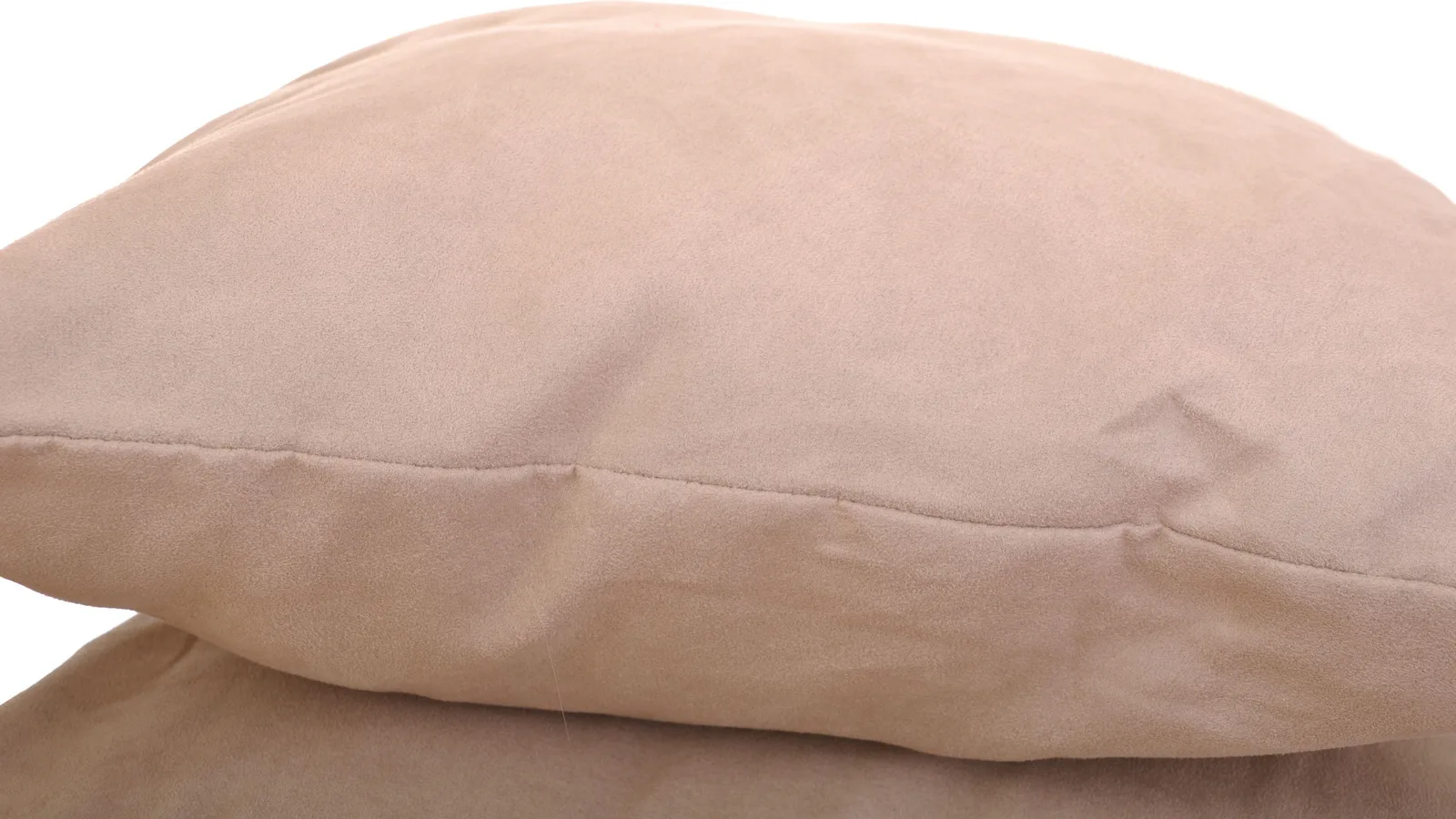
The short answer
The best way to store bedding is unglamorous: it must be completely clean, completely dry and packed in something that can breathe. Fold each set, tuck it inside one of its own pillowcases so the pieces stay together, put it in a cotton or linen bag, label the bag, and keep it somewhere cool, dark and dry — an airing cupboard, a wardrobe shelf or a ventilated drawer under the bed.
Anything sealed in plastic, pushed into a cold loft or put away even slightly damp will come out smelling of the cupboard rather than the laundry. Get those four things right — clean, dry, breathable, cool — and the rest is just neat folding.
What you need before you start
You almost certainly have most of this already. Gather it before you start pulling everything out of the cupboard:
- The bedding itself, washed and dried
- A breathable bag for each set, or a clean cotton pillowcase for single sets
- A pen and a paper tag or laundry marker for labelling
- A clear, dry shelf, drawer or cupboard that you can reach without climbing
- A spare hour, ideally on a dry day when you can air things by an open window
- Bedding condition
- Washed, cooled and bone dry before packing
- Container
- Cotton or linen bag, fabric under-bed bag, or a clean pillowcase
- Storage spot
- Cool, dark, dry and off the floor
- Label
- Size, room and contents written on the bag
- Avoid
- Sealed plastic, damp lofts, garages and sheds
How to store bedding, step by step
Wash and dry everything completely
Wash each set at the temperature on the care label, then dry it until there is no warmth or damp left in the seams, the corners or the middle of a duvet. Feel the thickest part with the back of your hand — if it is cool and dry, it is ready. Bedding that is almost dry will turn musty within weeks.
Fold to the size of the container, not the shelf
Fold sheets and duvet covers into a bundle roughly the footprint of the bag or drawer they are going into. A stack that fits in a single layer stays smooth; one that is forced in comes out creased and takes up more room than it needs.
Tuck each set inside its own pillowcase
Fold the flat sheet and duvet cover, slide them into one of the matching pillowcases, then fold the opening under. The set stays together, nothing goes missing in the cupboard and you can pull one bundle out without disturbing the rest.
Choose a breathable bag
A cotton or linen storage bag, a fabric under-bed bag with a zip, or a clean cotton pillowcase all work. Natural fibres need air to move around them; sealed plastic holds moisture against the fabric and concentrates any smell.
Label the bag
Write the size, the room and the contents on a paper tag or straight onto the bag — 'king, spare room, white cotton'. It saves unfolding three sets to find the one you actually want.
Store it cool, dark and off the floor
An airing cupboard, a wardrobe shelf or a ventilated under-bed drawer is ideal. Keep bags off concrete floors and away from cold external walls where condensation forms, and out of lofts and sheds that swing between hot and freezing.
Rotate and check
Put newly washed bedding at the bottom of the pile and use the oldest set first. Each time you change the beds, open the stored bags for a moment, check for damp or a faint smell, and re-fold anything that has been squashed.
Which container is best for bedding?
There is no single perfect container — it depends on where the bedding is going and for how long. The one rule that holds everywhere is that natural fills and natural fibres need to breathe, so anything airtight should be a short-term solution rather than a permanent home.
| Container | Lets air through | Keeps out dust | Best for |
|---|---|---|---|
| Cotton or linen storage bag | Yes | Yes, once fastened | Duvets, blankets and spare sets in a cupboard |
| Clean cotton pillowcase | Yes | Dust only, if the opening is tucked in | Keeping one set of sheets with the bed it belongs to |
| Zip-up plastic storage bag | No | Yes | Moving house or a short trip — not long-term storage |
| Vacuum storage bag | No | Yes | Bulky spares in a small flat, for a season or two |
| Cardboard box | A little | Poorly — dust and damp get in | Nothing long-term; it also gives silverfish somewhere to live |
Where to store bedding in a typical UK home
Most British homes have three or four workable spots and one tempting one that isn't. In rough order of usefulness:
- Airing cupboard. Warm, dry and ventilated by the cylinder or hot water tank — close to ideal, as long as you don't pack bags tight against the pipework.
- Wardrobe shelf. Good for everyday spares. Leave a hand's width between the bag and the back wall so air can move.
- Under-bed drawers or an ottoman base. Excellent for space, provided the base is dry and you check occasionally for condensation on the floor.
- Top of a wardrobe. Fine for light, occasionally used items, but dusty — use a bag with a fastening, not an open pile.
- Loft, garage or shed. The one to avoid for anything you care about. These spaces swing between damp and dry, which is exactly what mildew and clothes moths want.
How to store a duvet without ruining its loft
A duvet is the bulkiest thing you own and the easiest to damage in storage. Down and feather fills rely on loft — the air trapped between the clusters — and squashing them flat for months is what leaves a duvet thin and patchy at the shoulders.
Fold or loosely roll the duvet rather than compressing it, and give it a bag with room to spare. If you have a deep shelf, storing it flat is kinder than standing it on its end. Synthetic duvets are more forgiving but still need to be completely dry, because polyester holds moisture against itself and smells sour quickly.
A cotton duvet bag with a drawstring, or a fabric under-bed bag, suits both. Before the duvet goes back on the bed, give it a shake and an hour of air.
How to store pillows
Pillows are the item most often stored badly, usually under a pile of heavier things. Keep them at the top of the stack or in their own bag, and never put boxes or a spare duvet on top of them — the filling takes a set that a night's sleep won't undo.
Store pillows in pairs, side by side rather than one on top of the other, in a cotton pillowcase or a breathable bag. If they are going away for a long stretch, air them first on a dry day. Pillows that have gone yellow or lost their bounce are usually past saving and are better replaced than stored.
Are vacuum bags worth it for bedding?
Vacuum bags are the solution most people reach for in a small flat, and they do solve a real problem. They also come with conditions.
- The upside
- Cuts a bulky duvet down to a fraction of its size, which matters in a flat with no loft and no spare cupboard
- Keeps dust, moths and light away from the bedding while it is sealed
- Genuinely useful for a spare duvet or winter blanket you cannot store any other way
- And the catch
- Traps any damp in with the bedding, so everything has to be bone dry before it goes in
- Long-term compression flattens down and feather fills and leaves hard creases in the fabric
- Needs resealing every time you open it, and a bag that splits leaves bedding loose in the cupboard
Common mistakes and how to fix them
- Packing it away slightly damp. The usual culprit is the middle of a duvet or a thick elasticated corner. Fix it by airing the item again before it goes in the bag, not by adding a freshener on top.
- Sealing natural fibres in plastic. Cotton, linen, wool and down all need air. Swap sealed bags for cotton ones and keep plastic for moving day.
- Squashing down and feather. Compressing a duvet for a fortnight is fine; for eight months it is not. Store it loosely.
- Pushing bags against a cold outside wall. Condensation forms on the wall side of the bag and soaks in. Leave a gap and check the back of the cupboard now and then.
- Losing track of what's inside. Unlabelled bags get opened, unfolded and stuffed back badly. One line in marker solves it.
- Washing things that shouldn't be washed. Check the care label on wool blankets and embellished covers before you commit them to a hot cycle; some are dry-clean only.
Keeping stored bedding fresh
Clothes moths are the main threat to stored natural fibres, and they are attracted to traces of body oil, skin and hair rather than to clean fabric — which is why a proper wash matters more than any deterrent. Laundering and drying before storage does most of the work.
Traditional cupboard companions such as cedar blocks or a small bag of dried lavender are pleasant and harmless, but treat them as a nice smell rather than a guarantee. Give the cupboard a proper clear-out once a year, wipe the shelves and let the space air before the winter bedding goes back in.
Common questions about storing bedding
Is it safe to store bedding in an ottoman bed?
Usually yes, as long as the base is dry and the bedding went in clean and fully dry. The risk is the floor beneath the bed, where cold air collects — lift the bedding out and check the underside of the bag every few months for condensation.
How do I get rid of a musty smell from stored bedding?
Rewash the item and dry it thoroughly rather than trying to mask the smell, then air it outdoors on a dry day. If it returns, the storage spot is damp — move the bedding somewhere warmer and drier instead of treating the fabric again.
Can I keep bedding in the garage or shed?
It's the worst place in the house for it. Both spaces take on moisture from the air and the floor, and bedding stored there picks up a damp, oily smell that is hard to shift. Use them only for short-term storage in a sealed lidded box.
How often should I check stored bedding?
At every seasonal change of bedding, and any time you notice a chill or a damp patch in the cupboard. Opening the bags, letting the fabric air and re-folding takes a few minutes and catches trouble before it spreads.
What's the best way to store a spare duvet in a small flat?
A fabric under-bed bag takes a duvet without compressing it, and a drawer under the bed stays dry and out of the light. If you have no under-bed space, a vacuum bag used for one season at a time is better than a duvet left loose on top of a wardrobe gathering dust.