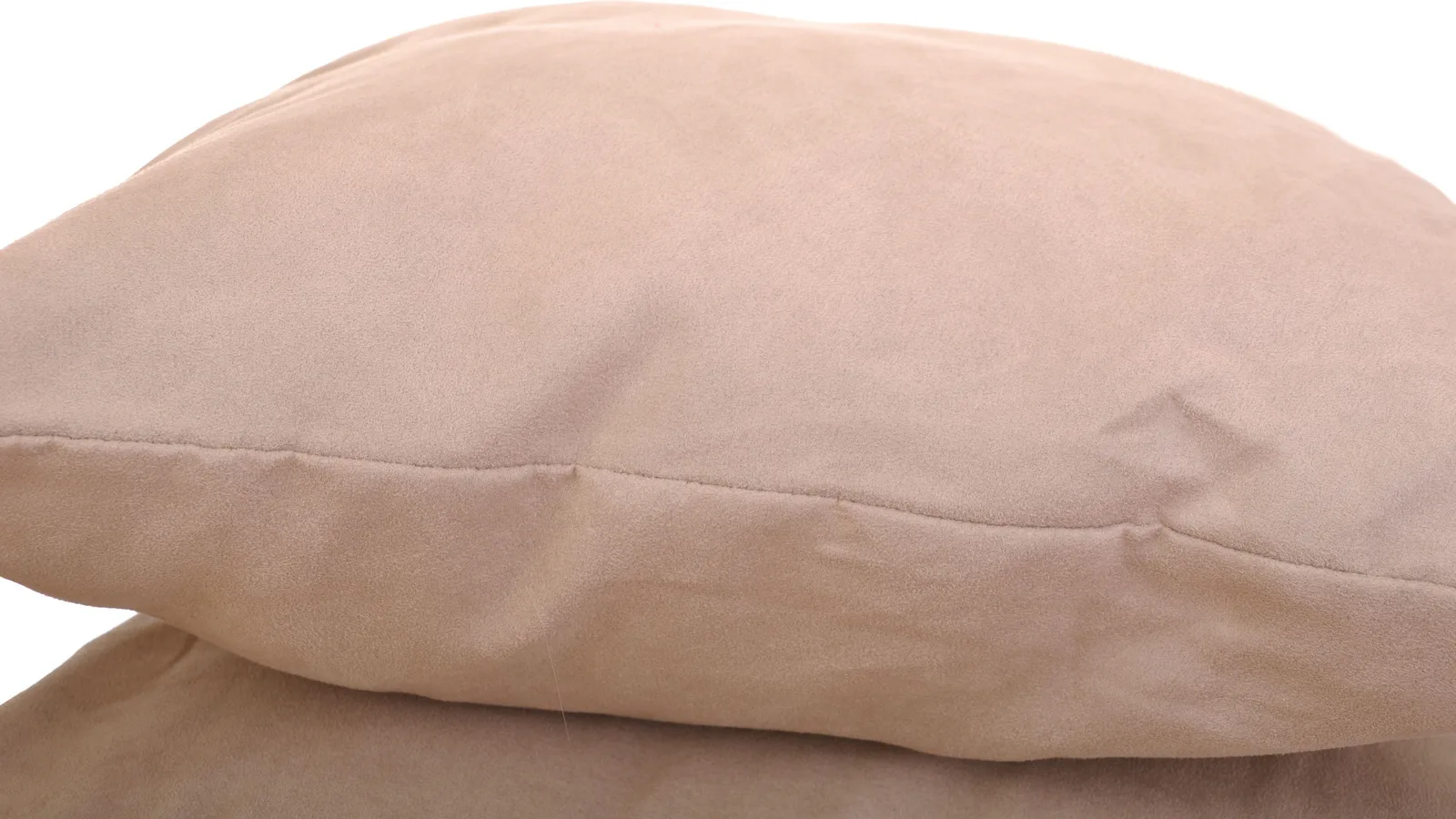
How to Make Bedding Softer: 7 Steps to a Cosier Bed
Stiff new sheets? Here's how to wash, dry and break in cotton, linen and microfibre bedding so it feels softer on your skin — and stays that way.

The short answer
Stiff bedding is nearly always a washing and drying problem rather than a fault in the fabric. New sheets leave the factory with a light dressing — a starch-like finish known as sizing — that keeps them crisp on the shelf, and that same crispness feels scratchy against skin. Add a little leftover detergent, hard-water minerals, a hot tumble dry, or a fibre that has never been through a wash cycle, and you get bedding that crackles instead of drapes.
The fix is simple and mostly a matter of patience: wash new bedding before it goes on the bed, dose your detergent properly, rinse thoroughly (white vinegar helps here), dry gently with a good shake, and repeat. Cotton percale usually softens over three to five washes; linen keeps improving for ten or more. Microfibre and brushed cotton are already soft and need very little work.
Why new bedding feels stiff in the first place
Knowing what you are actually fighting makes the job much quicker.
- Factory sizing. A starch-based finish is applied so bedding looks crisp in the packaging. It washes out, but usually not in one go.
- Softener build-up. Repeated fabric softener leaves a waxy film on the fibres. It feels slippery at first, then stiff and slightly tacky.
- Too much detergent. Modern liquids are concentrated, and a dose meant for a big family wash leaves residue in bedding that traps dirt and stiffens fibres.
- Hard water. Calcium and magnesium in the water supply bind to detergent and leave mineral deposits in the fabric, which is why bedding in hard-water areas often feels rough no matter what you do.
- Over-drying. Cotton dried bone-dry in a hot tumble dryer sets into a rigid, papery state. Ten minutes less drying makes an obvious difference.
- Tight weaves. A closely woven percale feels crisp by design. That is the weave, not a defect, and it softens with washing.
- Fibre choice. Linen is genuinely stiff when new; polyester is soft from day one but prone to pilling, which feels rough against skin.
Know your fibre before you wash it
| Fibre | Wash at | Tumble dry | How it softens |
|---|---|---|---|
| Cotton percale and sateen | 40°C, gentle cottons cycle | Low heat only | Three to five washes; improves steadily with each one |
| Linen | 40°C, gentle cottons cycle | Low heat, or line dry | Markedly softer after five to ten washes |
| Brushed cotton and flannelette | 40°C, gentle cycle | Low heat | Already brushed; frequent hot washing thins the nap |
| Polyester and microfibre | 30–40°C, synthetics cycle | Low heat | Soft from the start; softener turns it waxy |
| Wool | 30°C wool cycle or hand wash | No | Cool washing and flat drying keep the handle; heat felts it |
| Silk | Cool hand wash or silk cycle | No | Rinses out residue; never wring or hot-wash |
Thread count on its own tells you very little about how bedding will feel. Fibre length, weave and finish matter more, which is why a well-washed mid-range cotton can feel softer than a tightly woven high-thread-count sheet that has never been through a gentle cycle.
What you need before you start
- White vinegar
- About 100 ml in the rinse compartment, or in the final rinse when hand washing
- Non-biological liquid detergent
- Dosed for your water hardness and load size, not for the drum capacity
- Wool dryer balls
- Two or three per tumble dryer load, to beat stiffness out of the fibres
- Soda crystals
- A spoonful in the drum if you live in a hard-water area
- Drying space
- A line, an airer, or a tumble dryer on a low heat setting
You do not need special bedding detergent. A plain, fragrance-free non-biological liquid is kinder to sensitive skin and rinses out more cleanly than a powder with optical brighteners. If your water is very hard, a water softener or soda crystals will do more for softness than any fabric conditioner.
How to make bedding softer in 7 steps
Read the care label and note the fibre
Every fibre has a ceiling. Cotton and linen cope with 40°C; polyester and microfibre are happier at 30–40°C; wool needs a wool cycle at 30°C or a hand wash; silk needs cool water and no wringing. Check whether the label permits tumble drying at all — if it says no, the dryer is out.
Wash new bedding before its first night
One full wash and dry removes the factory sizing that makes new sheets feel crisp and papery. Wash bedding separately from towels, clothing and anything with zips, so lint and abrasion are not in the drum with it.
Load the drum loosely
Bedding needs room to move. Fill the drum no more than two-thirds and wash a duvet cover separately from a heavy load of towels. A crammed drum cannot rinse properly, and trapped detergent is one of the main reasons bedding dries stiff.
Wash on a gentle cycle at the right temperature
Use a cottons or synthetics programme with a moderate spin — around 800–1,000 rpm for cotton, slower for linen and anything delicate. Measure liquid detergent for your water hardness rather than guessing; overdosing is far more common than underdosing.
Swap fabric softener for white vinegar in the rinse
Pour about 100 ml of white vinegar into the softener compartment. It helps break down detergent residue and softens the water, then rinses away completely — bedding will not smell of vinegar once dry. Never use it in the same load as chlorine bleach.
Dry slowly and gently
Line dry where you can: the movement of a breezy day does a lot of the softening, so shake each piece hard before pegging it out. If you tumble dry, use low heat with two or three wool dryer balls, which bounce against the fabric and break up stiffness. Take bedding out while it is still very slightly damp, then smooth it onto the bed or fold it.
Repeat, and break in stiff fibres by hand
Softness accumulates. Cotton percale needs roughly three to five washes and linen five to ten. Between washes, scrunch and shake stiff sheets, and give a new linen set a short cool tumble with dryer balls before its first use. Keeping two sets in rotation means each one gets gentler wear and more washes over time.
Fabric softener versus white vinegar
- What softener does well
- Softens fibres quickly — one wash and cotton feels noticeably smoother
- Cuts static in polyester and microfibre
- Relaxes creases, which makes ironing a duvet cover far less grim
- Where it works against you
- Coats fibres in a waxy film that builds up wash after wash
- Reduces absorbency, which matters for towels and for anyone who sleeps hot
- Traps detergent and skin cells, a common trigger for sensitive skin
- Should not be used on flame-resistant sleepwear or moisture-wicking bedding
- Does nothing for linen's stiffness beyond the first wash
What commonly goes wrong — and how to fix it
| Symptom | Likely cause | What to do |
|---|---|---|
| Slightly waxy, stiff feel | Softener build-up | Rewash with no softener and 100 ml white vinegar in the rinse; repeat once |
| Scratchy, papery sheets | Over-dried | Shorten the drying time, take bedding out slightly damp, shake and air |
| Grey tinge or stiff patches | Too much detergent or an overloaded drum | Halve the dose, wash looser loads, run a hot maintenance wash on the machine |
| Rough, bobbly surface | Pilling from friction | Wash inside out on a gentler cycle and remove bobbles with a fabric comb |
| Still stiff after five washes | Hard water | Add a spoonful of soda crystals to the drum, or fit a water softener |
| Crisp straight off the line | Cotton dries rigid outdoors | Ten minutes on low heat with dryer balls, or shake hard and fold while slightly damp |
| Stiff again after storage | Put away damp or pressed too tightly | Rewash and dry fully; store loosely in a dry, aired cupboard |
Keeping bedding soft wash after wash
Once bedding is soft, the aim is to keep it there rather than rescue it again in six months.
- Wash every one to two weeks. Body oils and sweat oxidise in the fibres and leave cotton feeling rough and looking dull.
- Keep two sets in rotation. Alternating means each set is washed less often and has time to recover its shape between uses.
- Skip chlorine bleach. It weakens cotton fibres and yellowing whites are better tackled with an oxygen-based bleach.
- Air the bed daily. Pull the duvet back for twenty minutes before making the bed so trapped moisture can escape.
- Store loosely and dry. Fold sets into a dry, aired cupboard rather than compressing them into a vacuum bag, which creases fibres into hard lines.
- Keep the machine clean. A monthly hot maintenance wash stops detergent and softener residue transferring onto the next load of bedding.
Frequently asked questions
How many washes does new bedding need before it feels soft?
Cotton percale and sateen usually feel noticeably softer after three to five washes. Linen keeps improving for ten washes or more. Microfibre, brushed cotton and jersey bedding feel soft from the first night and need no breaking in.
Can I soften bedding without a tumble dryer?
Yes. Shake each piece hard before pegging it out and dry on a breezy day — the fabric moving on the line does most of the work. A cool iron on still-damp cotton, or smoothing sheets onto the bed while they are slightly damp, also helps.
Does bicarbonate of soda soften bedding?
It helps indirectly. A spoonful in the drum with the detergent raises the pH of the wash water slightly and helps shift detergent and body-oil residue, which is often what makes bedding feel stiff. It does not coat the fibres the way a conditioner does.
Why does bedding feel stiff again after being in the cupboard?
Usually because it was put away slightly damp or pressed tightly into a full shelf. Textiles pick up moisture in a cool cupboard and dry into hard creases. Rewash, dry it fully and store sets loosely in a dry, aired space.
Is white vinegar safe on coloured bedding?
Yes, at normal dilution. Around 100 ml in the rinse compartment is far too weak to strip dye from properly set fabric, and it rinses out. Just never use it in the same load as chlorine bleach.