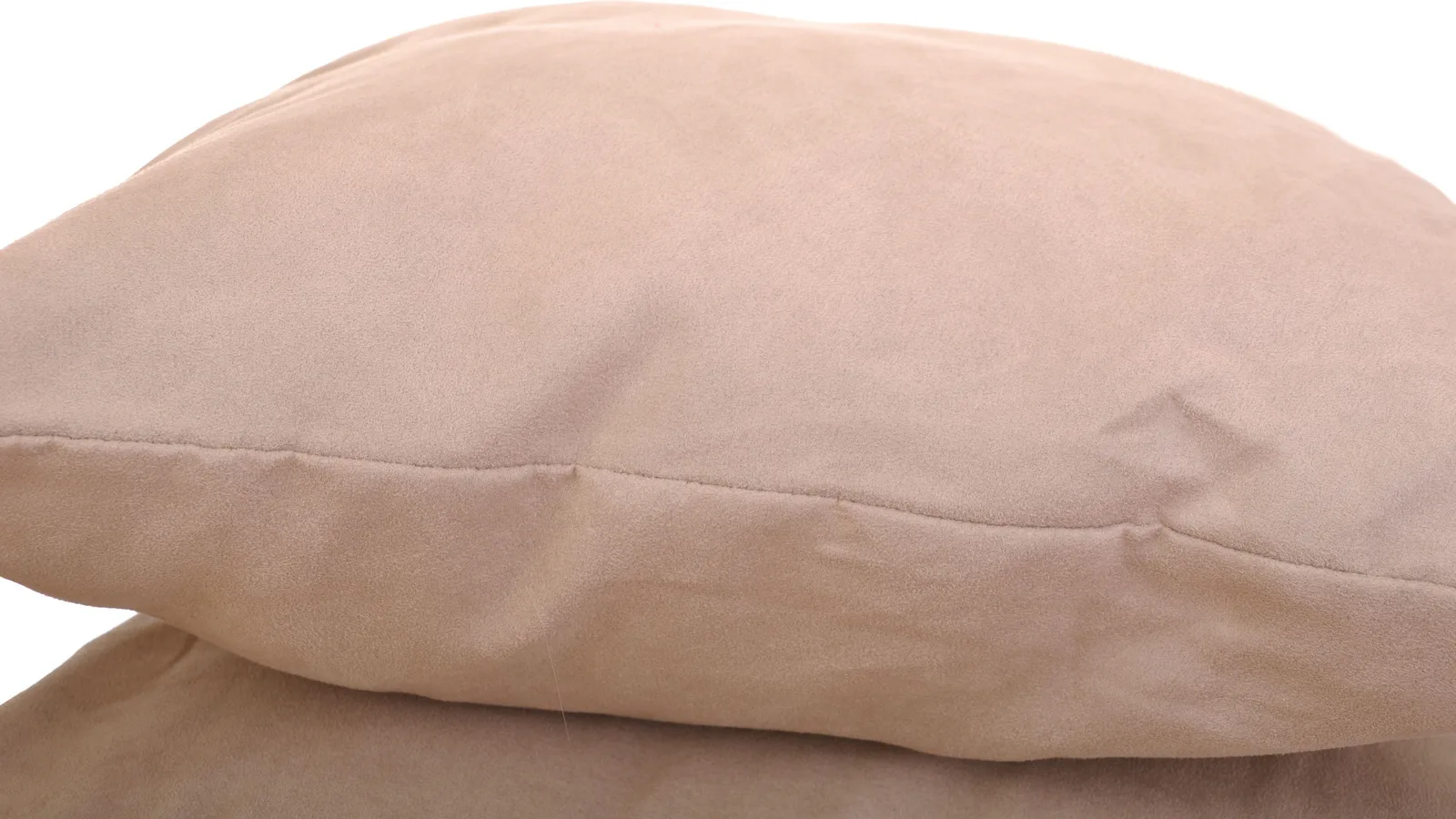
How to Stop a Rug Slipping on Carpet: 7 Simple Steps
Stop a rug creeping on carpet with the right underlay, corner grips and a few smart placement tricks. Seven simple steps for a flatter, safer rug.

The short answer
Start with a thin, carpet-safe anti-slip underlay cut about 2.5–5 cm smaller than the rug on every side. It adds friction without making the rug stand proud of the carpet. For small rugs, runners and curled corners, add corner grippers and put furniture legs on the rug where you can. If the rug has arrived rolled, reverse-roll it and weight the corners for 24 hours before deciding it is hopeless.
Avoid thick foam pads, suction cups designed for hard floors and double-sided tape as a first fix. On carpet, those either rock, fail to grip or leave adhesive residue that is hard to remove.
What you need before you start
You do not need a cupboard full of gadgets. The important choice is a grip layer made for carpet-to-carpet use: thin, breathable and slightly smaller than the rug. A thick pad meant for a hard floor will make the rug feel unstable on carpet.
- Measuring tape
- Measure the rug and mark the underlay before cutting.
- Carpet-safe anti-slip underlay
- Thin, breathable grip layer made for carpet-to-carpet use, not a thick foam pad.
- Scissors or utility knife
- For a clean cut; use a cutting board and keep fingers clear of the blade.
- Corner grippers
- Useful for small rugs, runners and the edge where people step on first.
- Vacuum
- Remove grit and pet hair from both the carpet and the rug's underside.
- Heavy books or clean weights
- Settle curled corners and help a newly laid rug relax.
- A helper for large rugs
- A second pair of hands keeps a big rug from twisting as you lower it.
7 steps to stop a rug slipping on carpet
Clear the floor and clean both surfaces
Move furniture off the rug and vacuum the carpet, then vacuum the rug's underside. Grit, pet hair and crumbs reduce friction and can grind into the backing. Let any damp cleaning dry completely before you put the rug back; moisture trapped under a rug can mark the carpet or encourage mould. Check a rubber or latex backing for stickiness, crumbling or a strong smell — a perished backing can stain carpet and will not grip reliably.
Match the grip to the carpet and rug
Use a thin anti-slip underlay for most carpet-to-carpet situations. Deep pile needs a dense but thin grip layer so the rug does not rock; loop pile can snag on coarse hook-and-loop tabs, so choose a smooth-backed gripper. Small rugs and runners often need corner grips as well as underlay. Suction-cup pads are for hard floors — on carpet there is no smooth surface for them to seal against.
Measure and cut the underlay
Measure the rug, then mark the underlay 2.5–5 cm in from each edge. Cut on a flat surface with sharp scissors or a utility knife and a cutting board, keeping your fingers out of the blade line. The gap stops the underlay peeking out and gives the rug edge somewhere to sit. If you are using corner grippers, have them ready but do not peel the backing yet.
Lift, align and lower the rug
Roll back half the rug, or ask a helper to hold it upright, and lay the underlay in place. Lower the rug from the centre outwards, smoothing ripples with your hands or a soft brush. Do not drag the rug across the underlay: dragging can stretch the backing and pull the grip layer out of position. Repeat for the other half, then walk over the rug to settle it.
Settle curled corners and new-rug memory
A new rug often remembers being rolled. Reverse-roll it for 24 hours, weight the corners with heavy books or clean weights, and keep the room at a normal temperature. A hairdryer on a warm — not hot — setting can soften a stubborn corner if you keep it moving and test a hidden area first. Never iron the face of a wool, viscose or synthetic rug directly; heat can crush or melt the pile.
Add corner anchors and furniture weight
Fit gripper pads under each corner and along the edge where people step onto the rug. If the rug sits under a sofa or armchairs, put the furniture legs on the rug: weight is one of the most reliable ways to stop creep. Use felt pads or furniture cups under heavy legs on a delicate rug. For a runner, check that it does not create a raised lip at a doorway or a trip point at the top of stairs.
Test, trim and adjust
Walk across the rug from several directions, especially the route people use most. If an edge lifts, add another gripper or trim the underlay back from that edge. Give the rug a day to settle before you judge it. If it still moves, the underlay is probably too thick, too small or the wrong type for the carpet; change the grip layer rather than adding tape on top.
Which fix suits which situation
| Situation | Best first fix | Also useful | Avoid |
|---|---|---|---|
| Small rug or runner at a doorway | Thin carpet-safe underlay plus corner grippers | Furniture weight or a longer runner | Suction cups and thick foam pads |
| Large living-room rug | Full-size thin anti-slip underlay | Sofa and chair legs on the rug | Tape alone across the middle |
| Wool rug on loop pile | Smooth, fine-gauge grip underlay | Corner grippers with smooth backs | Coarse hook-and-loop tabs that snag loops |
| Deep-pile carpet | Dense, thin underlay | More corner weight | Very thick pads that let the rug rock |
| Curled corner | Reverse-roll and weight for 24 hours | Corner gripper once the corner is flat | Ironing the face or gluing the corner |
| Underfloor heating | Thin breathable underlay if the flooring maker allows | Check the carpet and heating guidance first | Thick insulating pads |
Common mistakes and how to fix them
Most failures come from the wrong grip layer or from trying to stick the rug down.
- Underlay too large: trim it back so it sits 2.5–5 cm inside the rug edge. A visible lip catches feet and curls the rug.
- Underlay too thick: replace it with a thin grip layer. A spongy pad lets the rug rock and walk across the carpet.
- Tape on carpet: if you have used double-sided tape, remove it slowly. Residue attracts dirt and can pull fibres; do not scrub it with a strong solvent. Seek advice from a carpet cleaner if the mark is stubborn.
- Only one corner anchored: add grip at all four corners and along the leading edge where people step on.
- Ignoring the leading edge: the edge you step on first takes the most push. Put a gripper there and, if possible, tuck the rug under furniture.
- Rushing a curled rug: weight it for a day before adding grippers. A gripper cannot flatten a corner that is still fighting its roll.
Safety and easy-to-get-wrong details
Keep walkways flat. An underlay that creates a lip at a doorway or the top of stairs is a trip hazard, especially for older visitors or anyone carrying laundry.
Keep small gripper pads away from children and pets. Lift heavy rugs with a helper rather than dragging them, and check rubber or latex backings before putting them back on carpet. If the rug is on stairs, do not use a loose underlay; stairs need a different fixing and professional advice.
Keeping it from creeping back
Vacuum the carpet and the rug regularly, because grit is the enemy of grip. Every few months, lift the rug and check that the underlay is still flat and that the grippers have not compressed or curled. Reposition the rug by lifting it, not dragging it.
If the rug sits in strong sunlight or over underfloor heating, watch for a rubber backing becoming brittle or sticky. Replace a compressed or crumbling grip layer rather than adding a second one on top.
Frequently asked questions
Can I use double-sided tape on a rug over carpet?
It is usually a last resort. Tape can leave sticky residue, pull fibres and bond to the carpet backing. If you try it, test a hidden corner first and use a tape made for carpet and rug use; remove it slowly. A thin underlay or corner grippers is easier to undo.
Will an anti-slip underlay work on deep-pile carpet?
Yes, but choose a thin, dense grip layer rather than a thick pad. Deep pile gives the rug more room to rock, so add corner weight or furniture legs and check that the underlay does not show at the edges.
How much smaller should the underlay be than the rug?
About 2.5–5 cm smaller on every side. That keeps it hidden and stops the rug edge curling over a visible lip.
Why does my rug only creep in one direction?
Foot traffic pushes it the same way each time. The leading edge is usually the culprit: add grip there, put furniture legs on the rug, or turn the rug 180 degrees if the pattern allows.
Can I put a rug on carpet with underfloor heating?
Check the carpet, underlay and heating manufacturer's guidance first. A thin, breathable underlay is usually more suitable than a thick insulating pad, and the rug should not trap heat beyond what the flooring allows.
Do rubber-backed rugs need an underlay?
Not always, but check the backing. Rubber and latex can harden, crumble or mark carpet over time. If the backing is sticky or flaky, use a breathable underlay and keep the rubber off direct contact with the carpet.